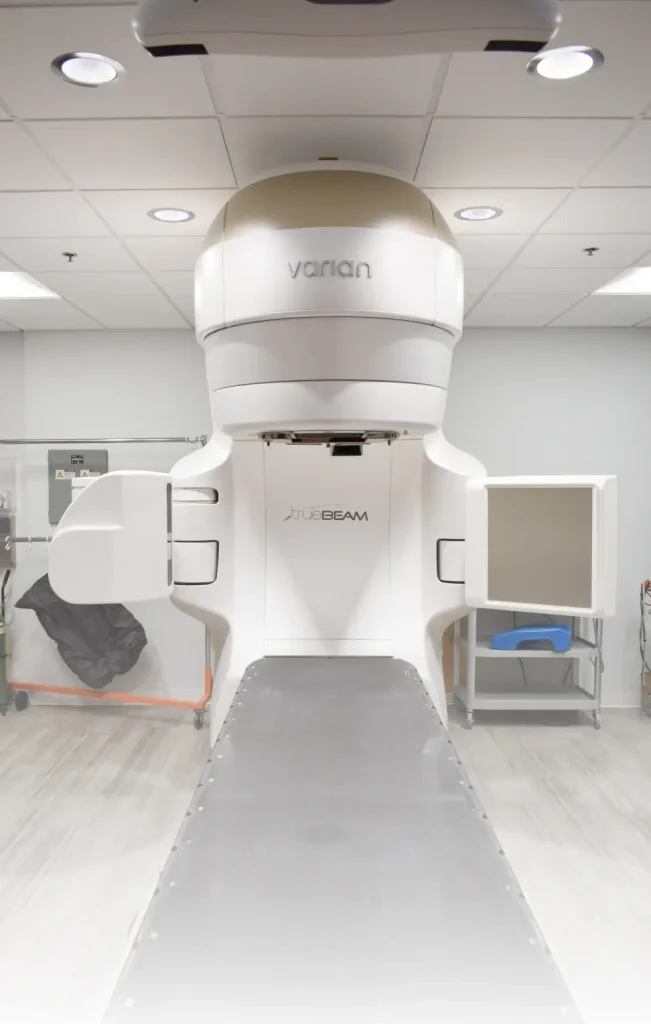
Benign Conditions Treated with Radiation Therapy
Non-Invasive Treatment Options for Painful & Persistent Conditions
Radiation therapy is not only used for cancer—it can also be an effective, non-invasive treatment for select benign (non-cancerous) conditions. For patients experiencing chronic pain, inflammation, or recurring tissue growth, low-dose radiation therapy may help when other treatments have not provided lasting relief. At Radiant Cancer Care, we offer advanced, precision-based therapies designed to reduce symptoms, improve function, and enhance quality of life.
What Are Benign Conditions?
Benign conditions are non-cancerous growths or disorders that do not spread to other parts of the body. While they are not life-threatening like cancer, many benign conditions can still cause pain, discomfort, limited mobility, or functional issues—especially if they affect joints, nerves, or soft tissue structures.
Some benign conditions involve chronic inflammation, while others are caused by abnormal tissue growth or healing responses. Over time, these issues can worsen or become more difficult to manage with standard treatments alone.
In select cases, radiation therapy may be recommended as a non-invasive treatment option, particularly when symptoms persist or other therapies have not provided sufficient relief. Low-dose radiation can help:
- Reduce inflammation in affected tissues
- Slow or stop abnormal tissue growth
- Prevent recurrence, especially after surgery
- Improve pain and overall function
At Radiant Cancer Care, radiation therapy for benign conditions is carefully considered and tailored to each patient, with a focus on improving quality of life while minimizing side effects.
How Does Radiation Help Benign Conditions?
Radiation therapy for benign conditions works differently than it does for cancer. Instead of destroying tumors, low-dose radiation is used to target inflammation, regulate abnormal cell activity, and support the body’s natural healing processes.
For patients with chronic or treatment-resistant conditions, this approach can provide meaningful relief—especially when medications, physical therapy, or other conservative treatments have not been effective.
Radiation therapy may help:
- Reduce chronic inflammation in joints, soft tissue, or affected areas
- Slow or stop abnormal tissue growth, such as scar formation or fibrous nodules
- Prevent recurrence after surgery, particularly in conditions prone to regrowth
- Improve pain, mobility, and overall function, allowing patients to return to daily activities
At Radiant Cancer Care, each treatment plan is carefully tailored to the individual, using advanced technology to deliver precise, low-dose radiation while minimizing impact on surrounding healthy tissue.
Types of Benign Conditions Treated with Radiation Therapy
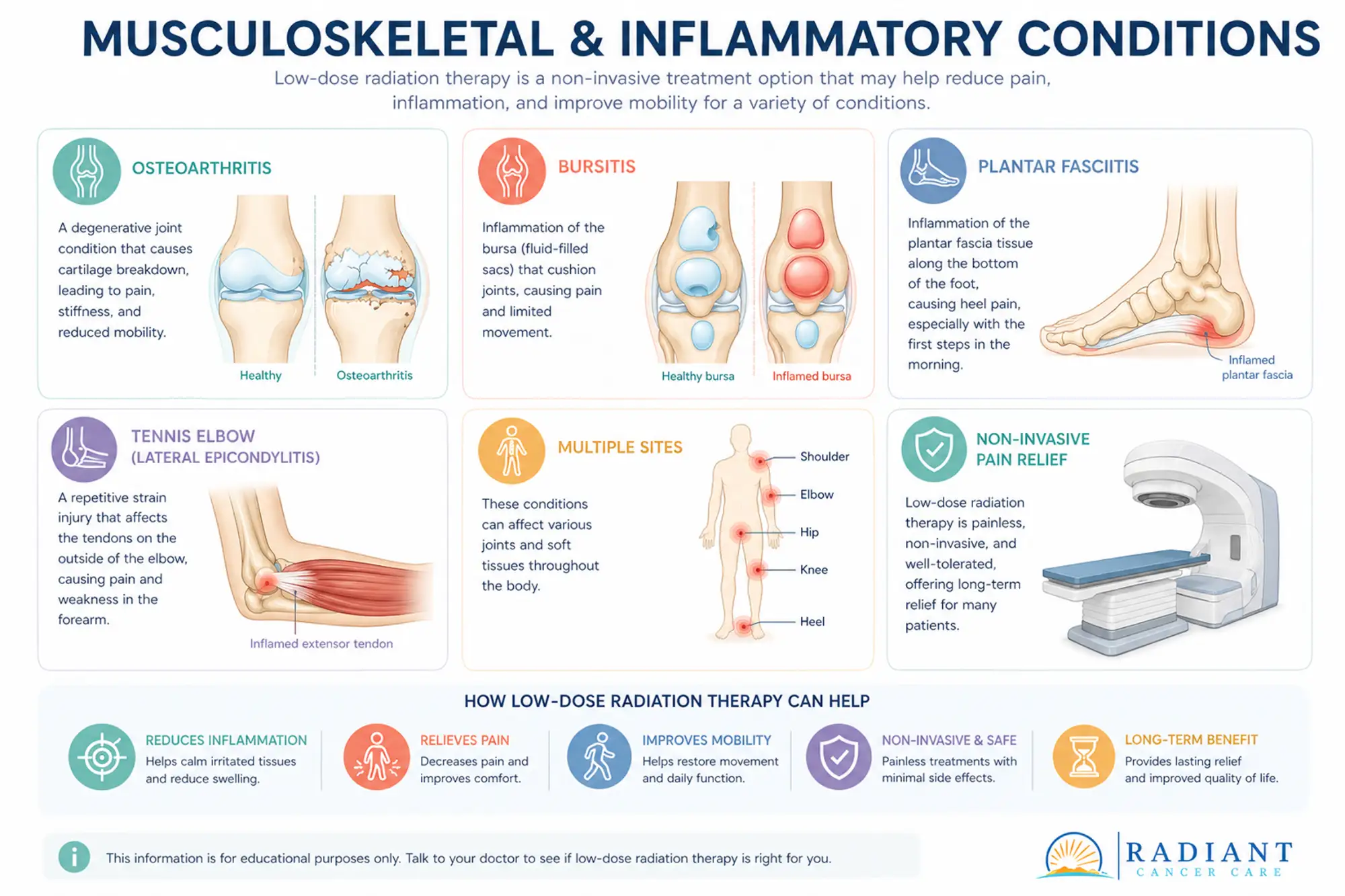
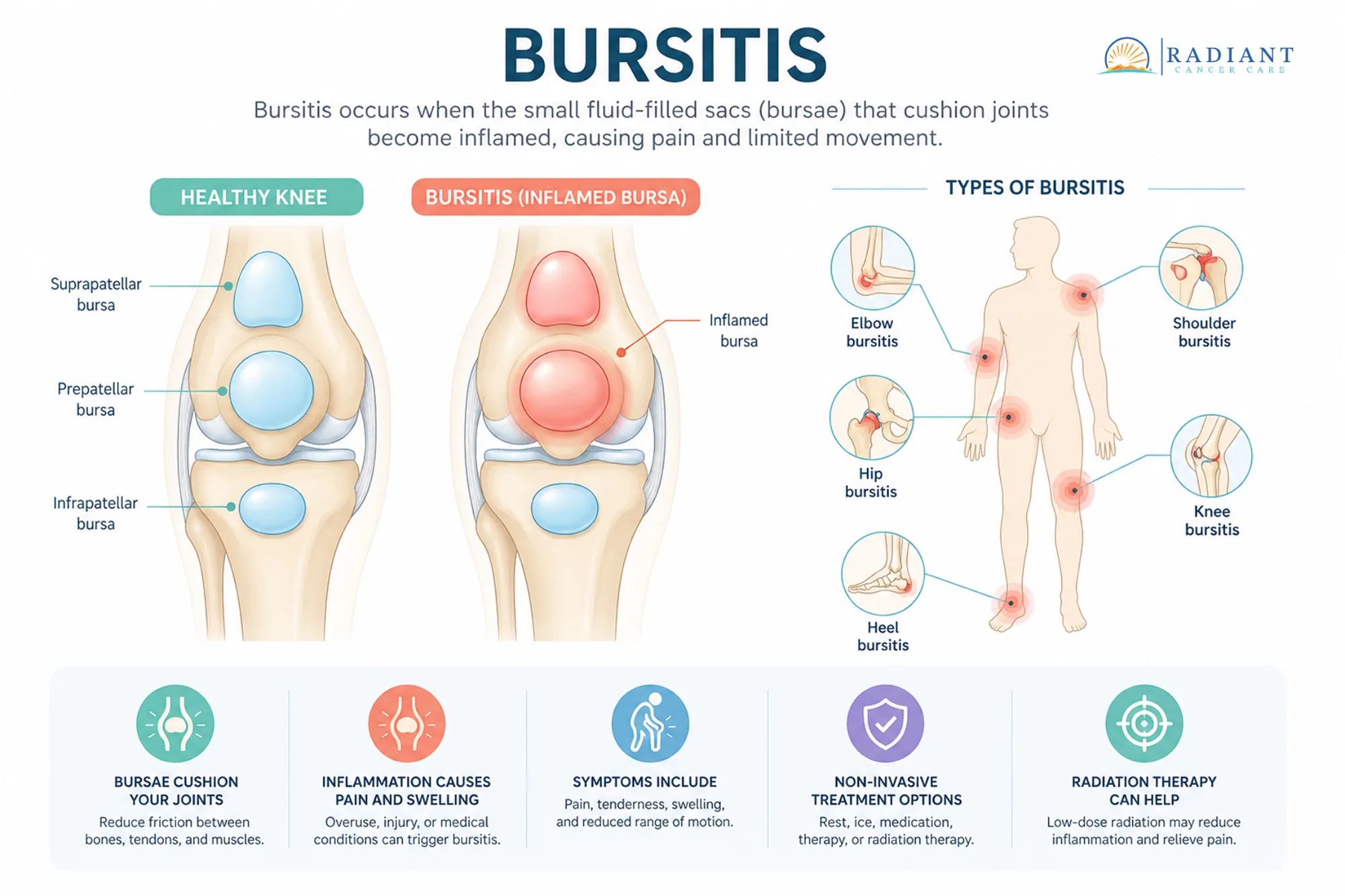
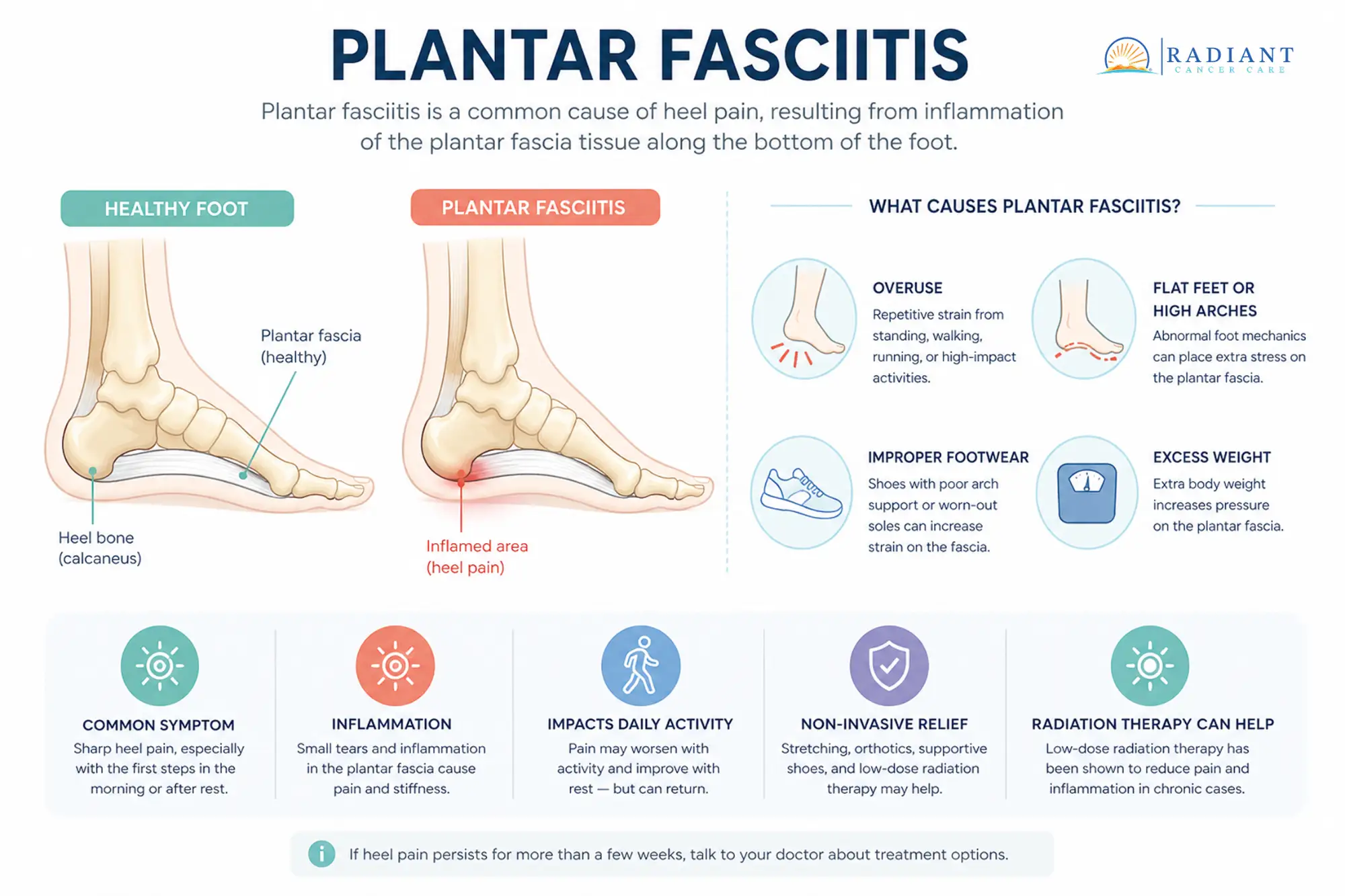
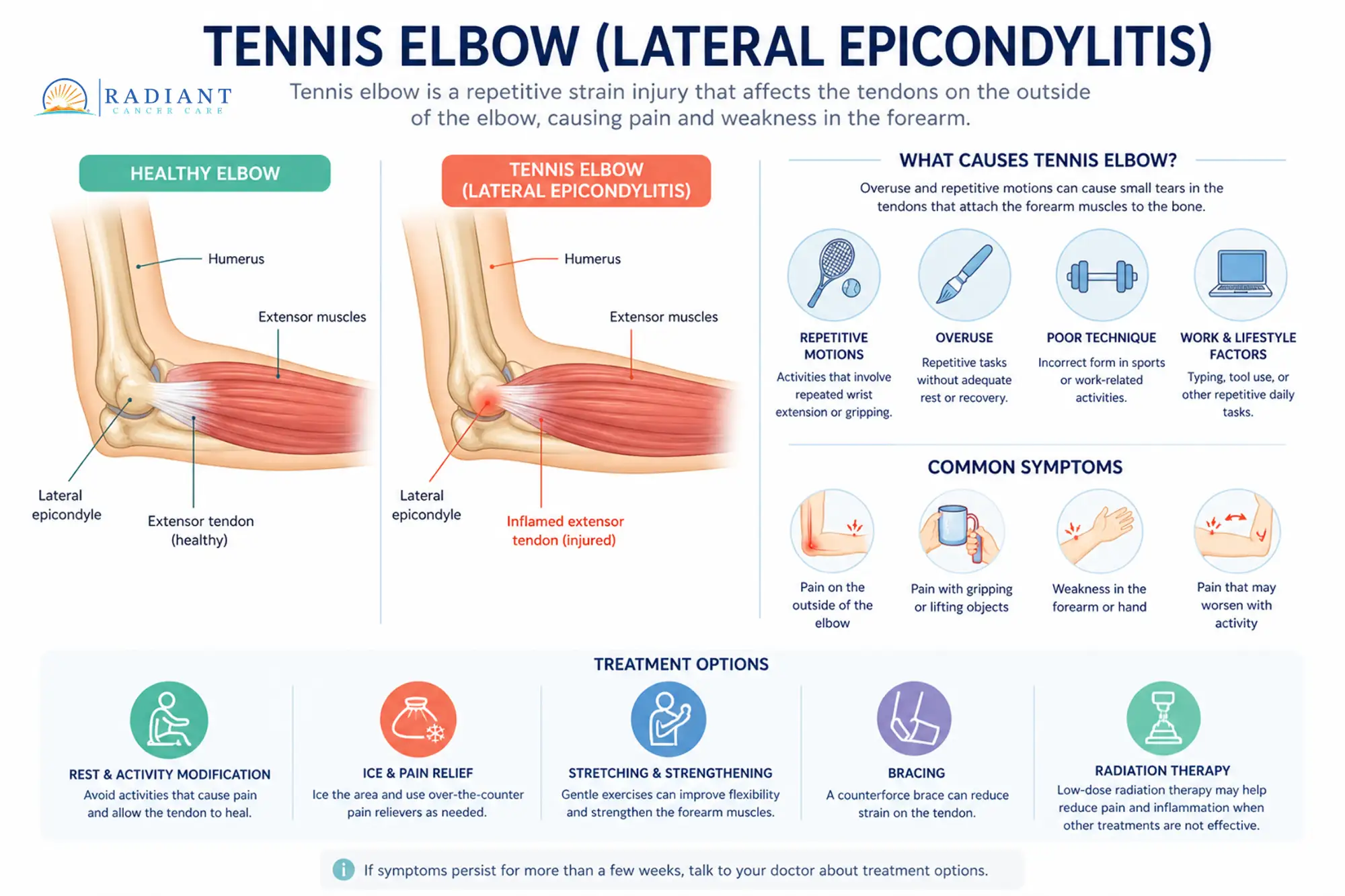
Musculoskeletal & Inflammatory Conditions
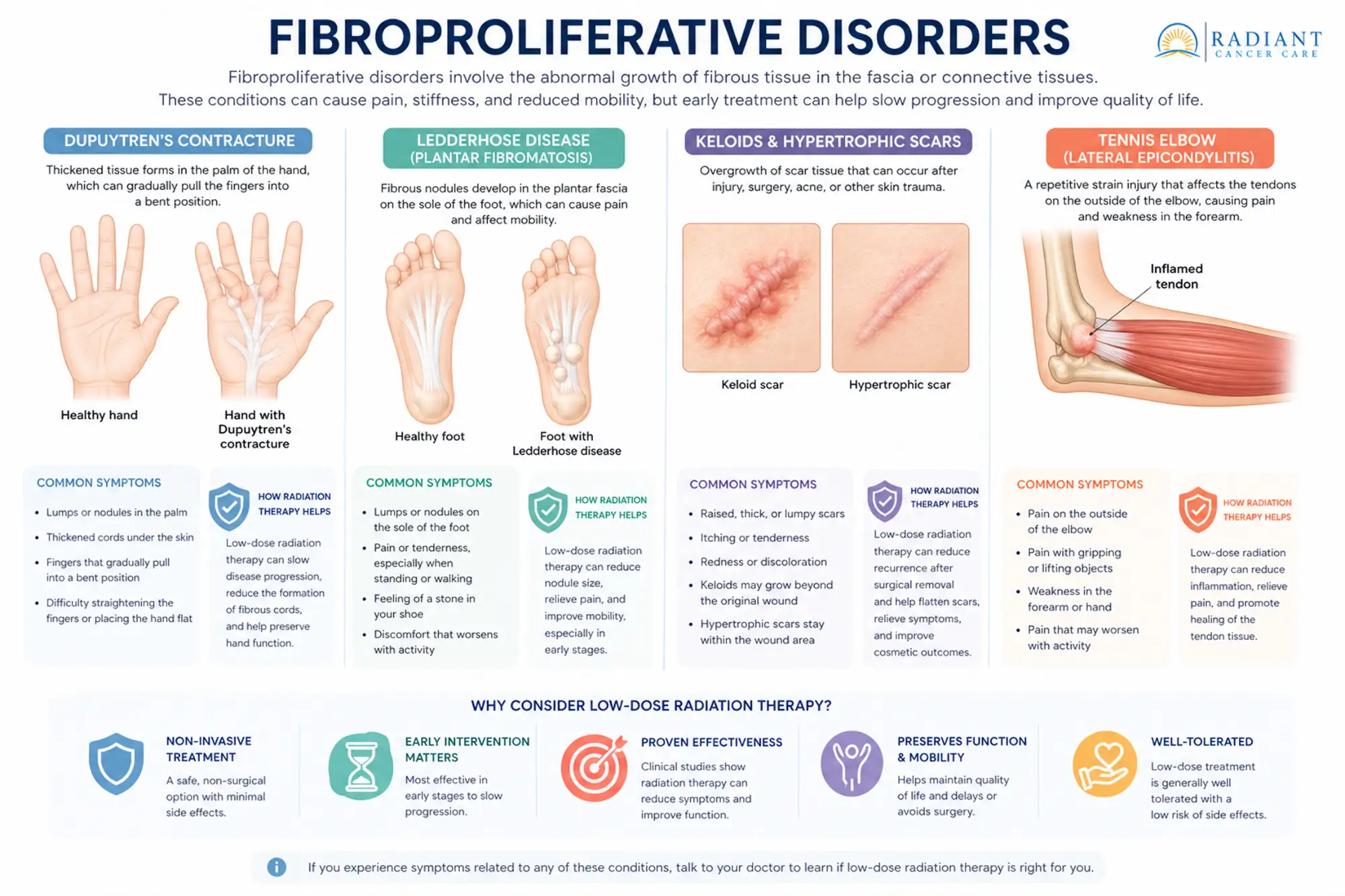
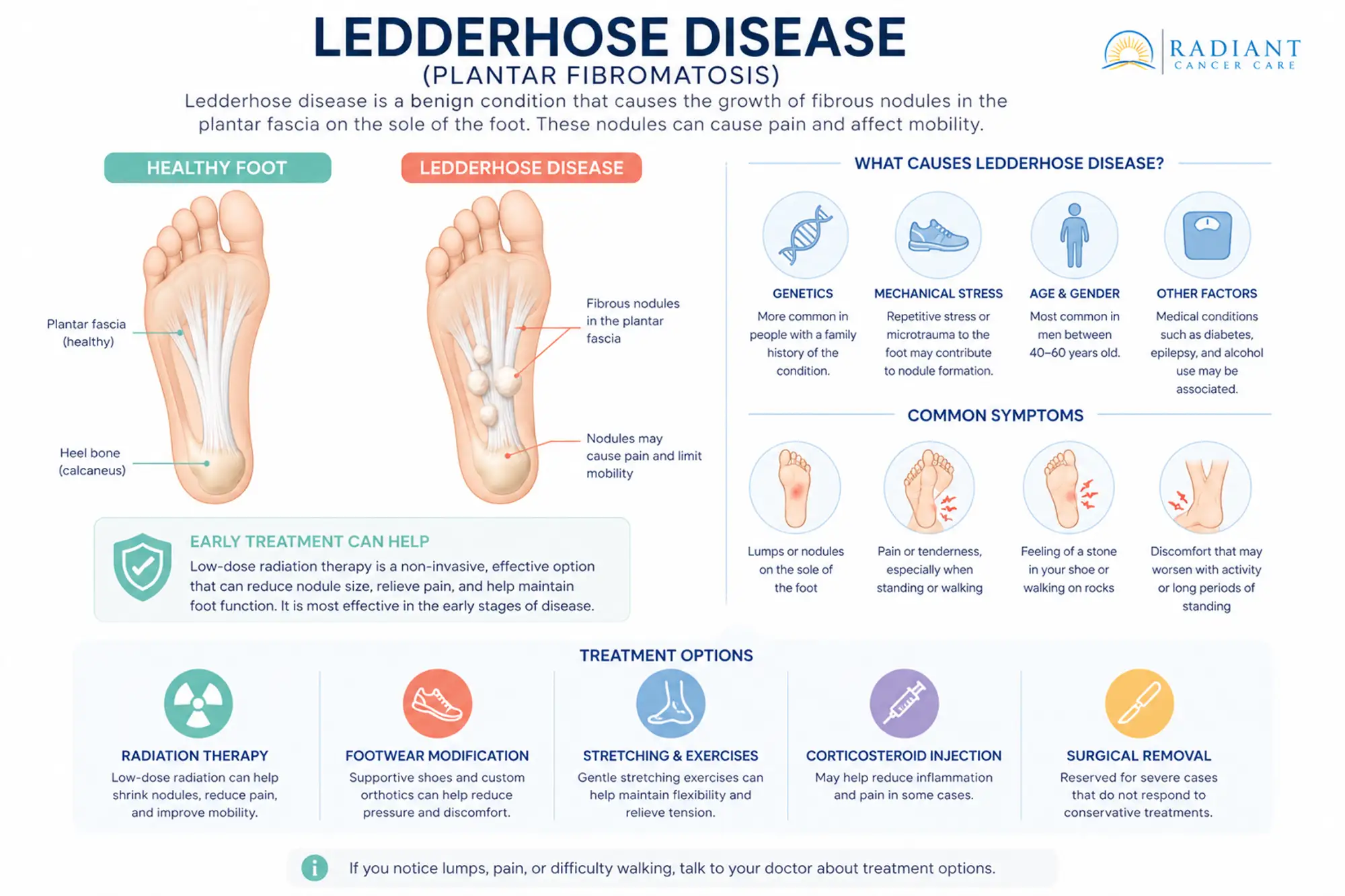
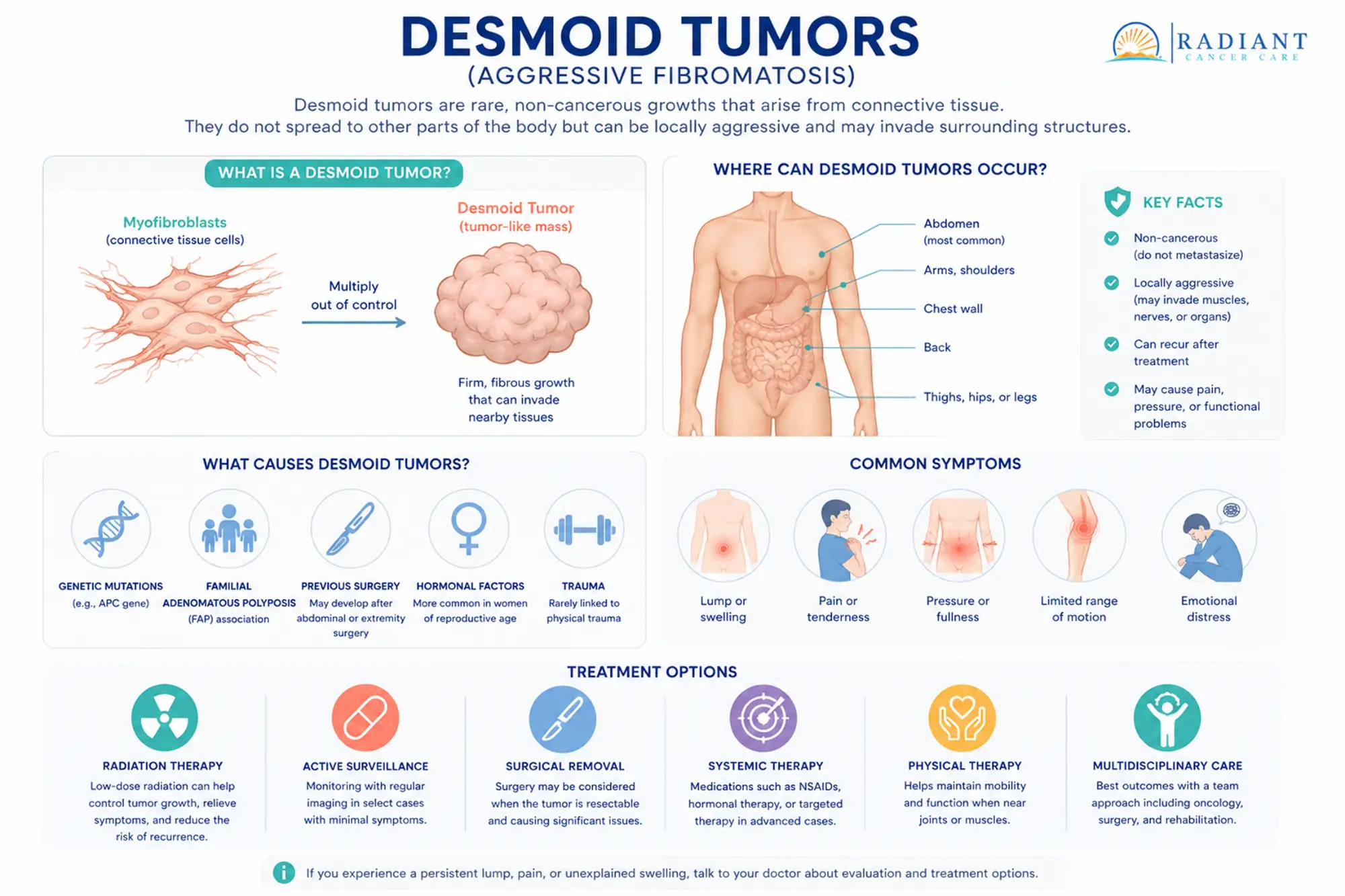
Fibroproliferative Disorders
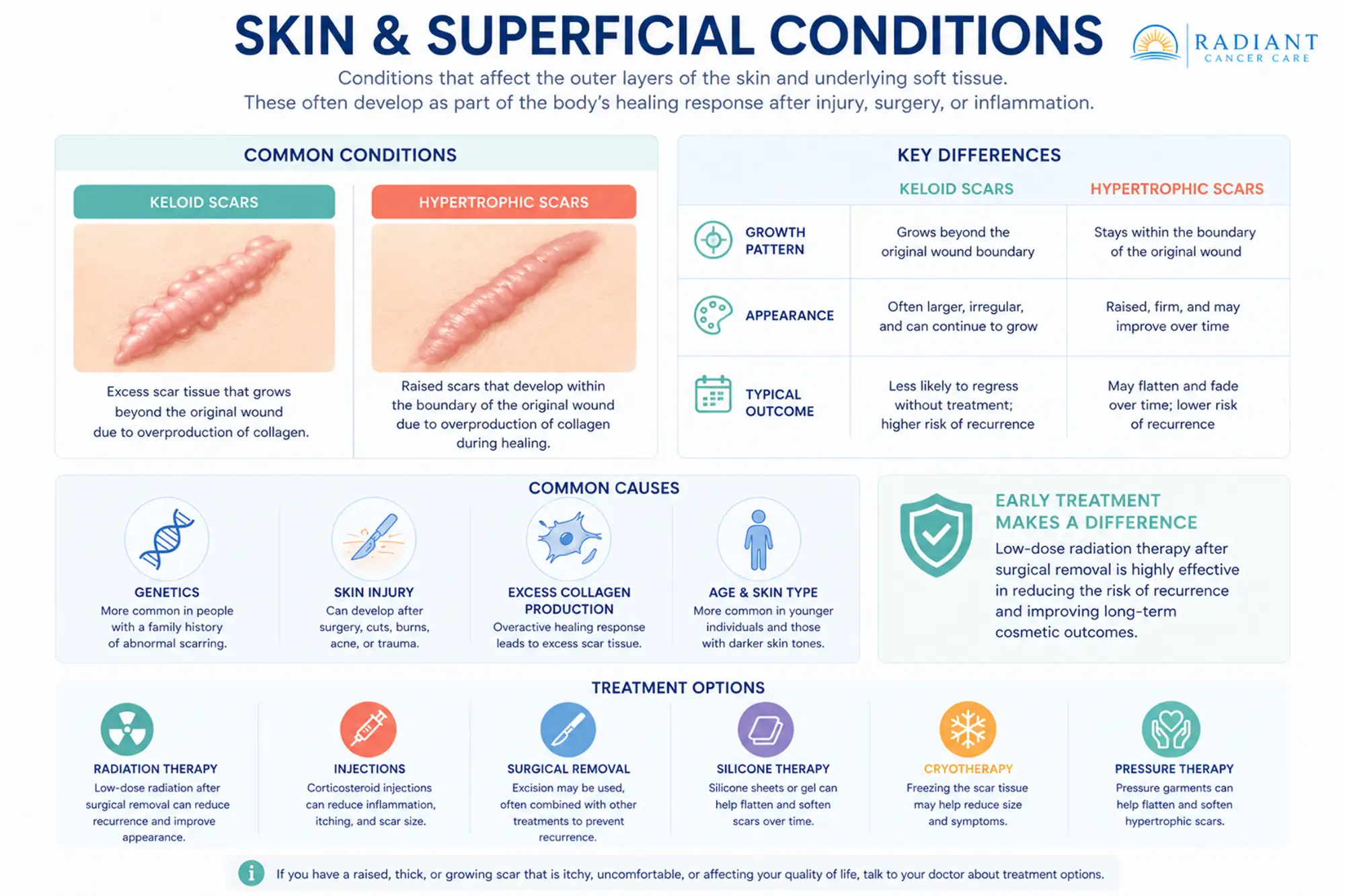
Skin & Superficial Conditions
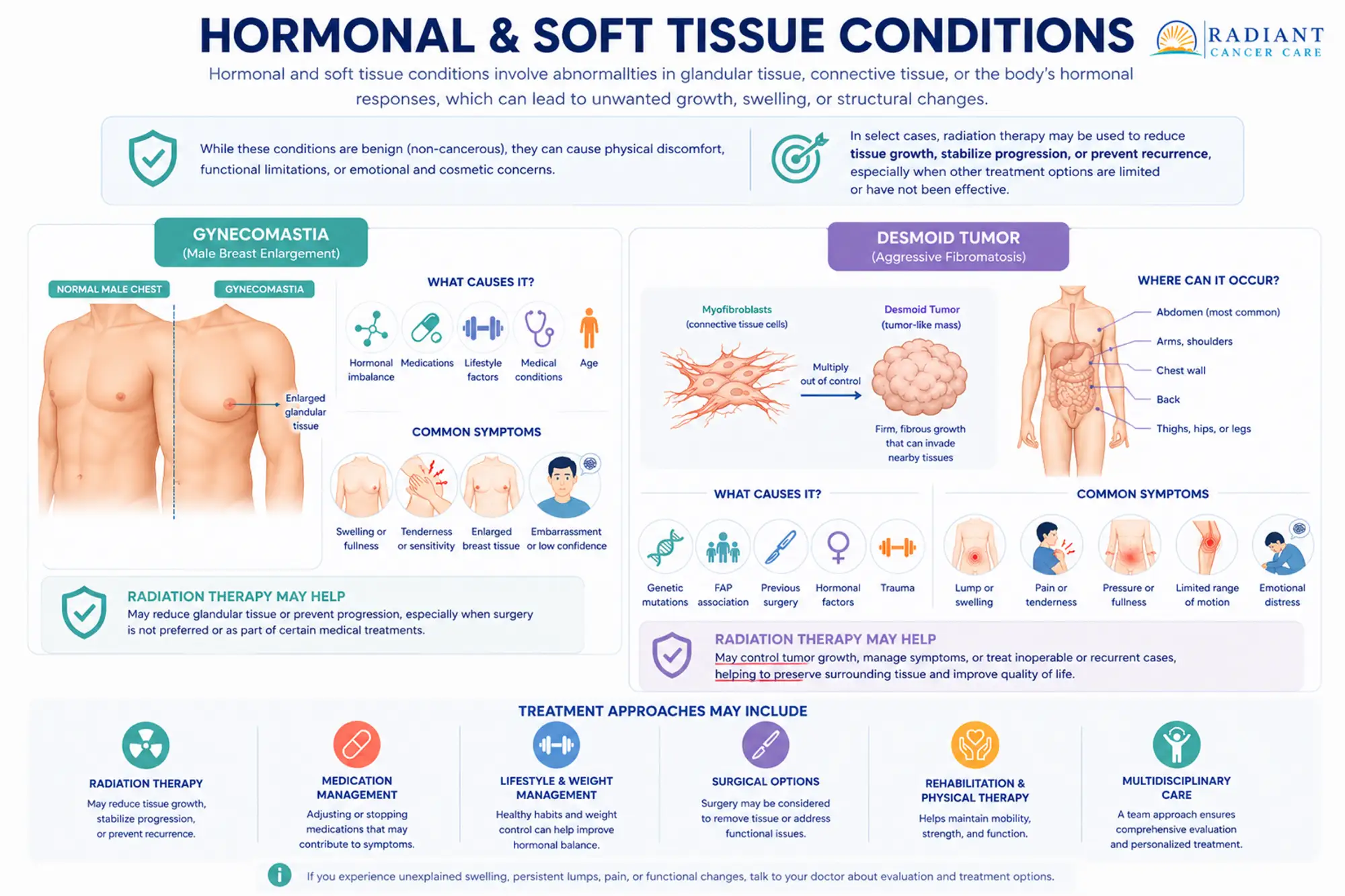
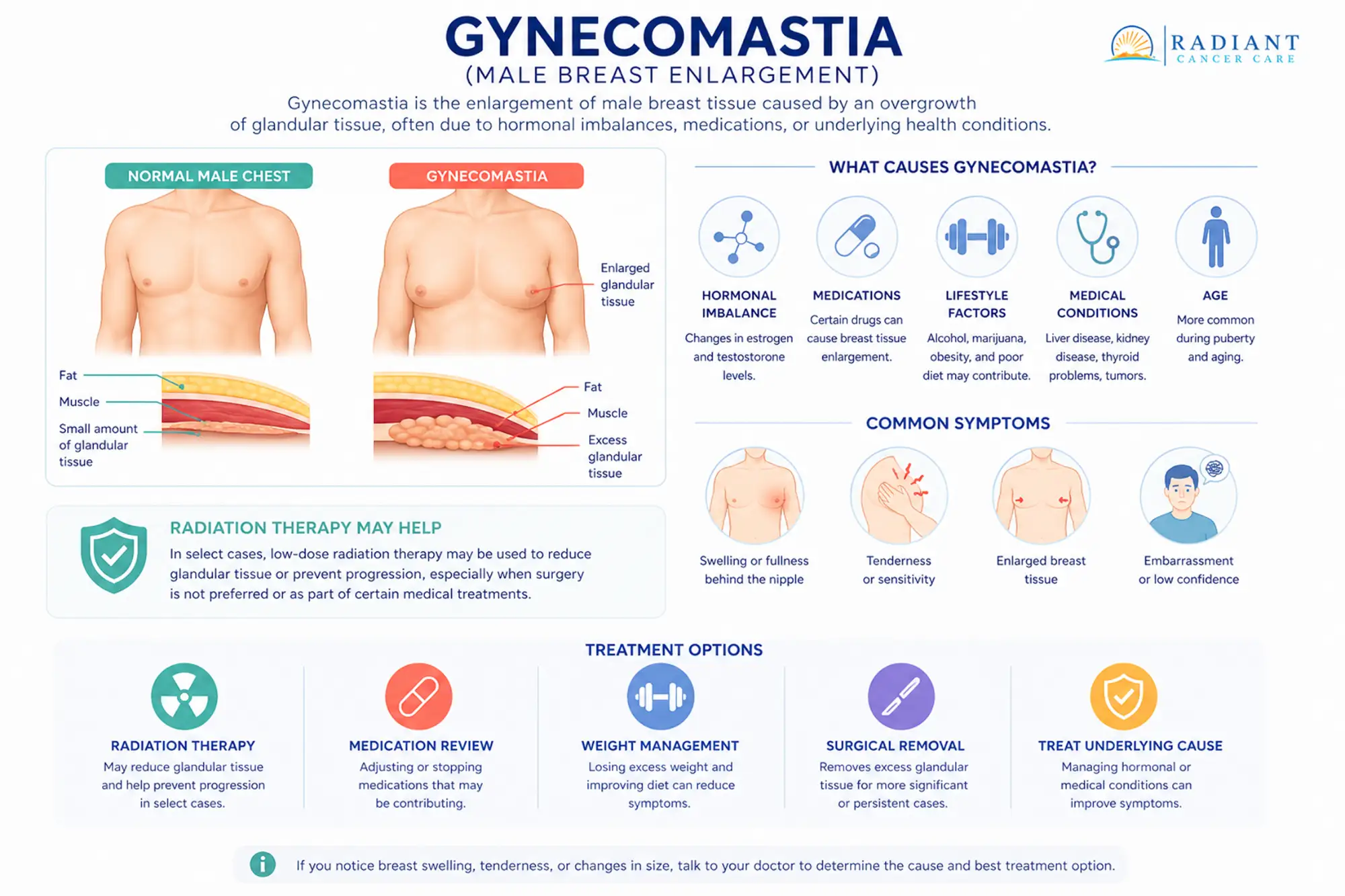
Hormonal & Soft Tissue Conditions
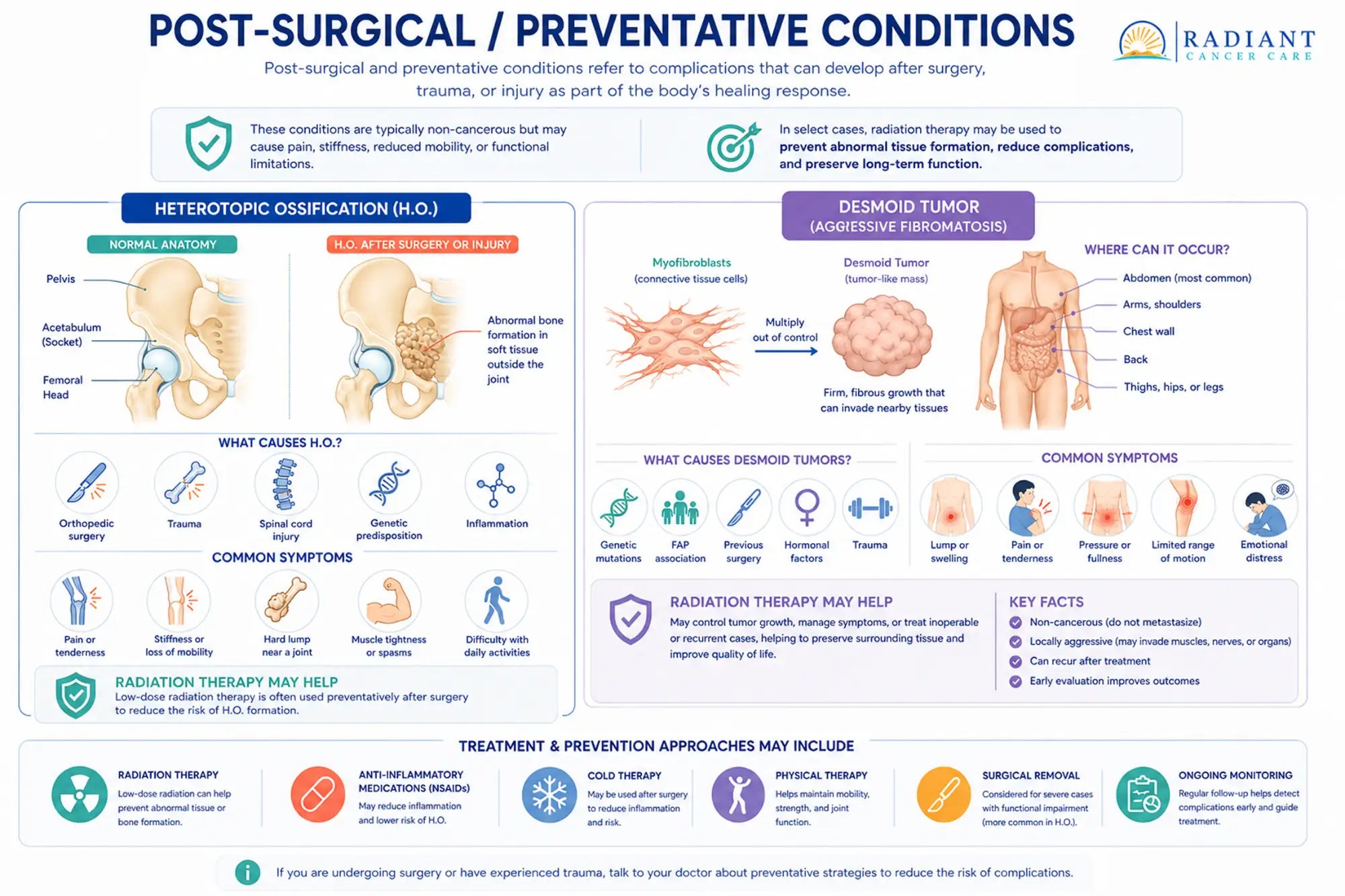
Post-Surgical / Preventative Conditions
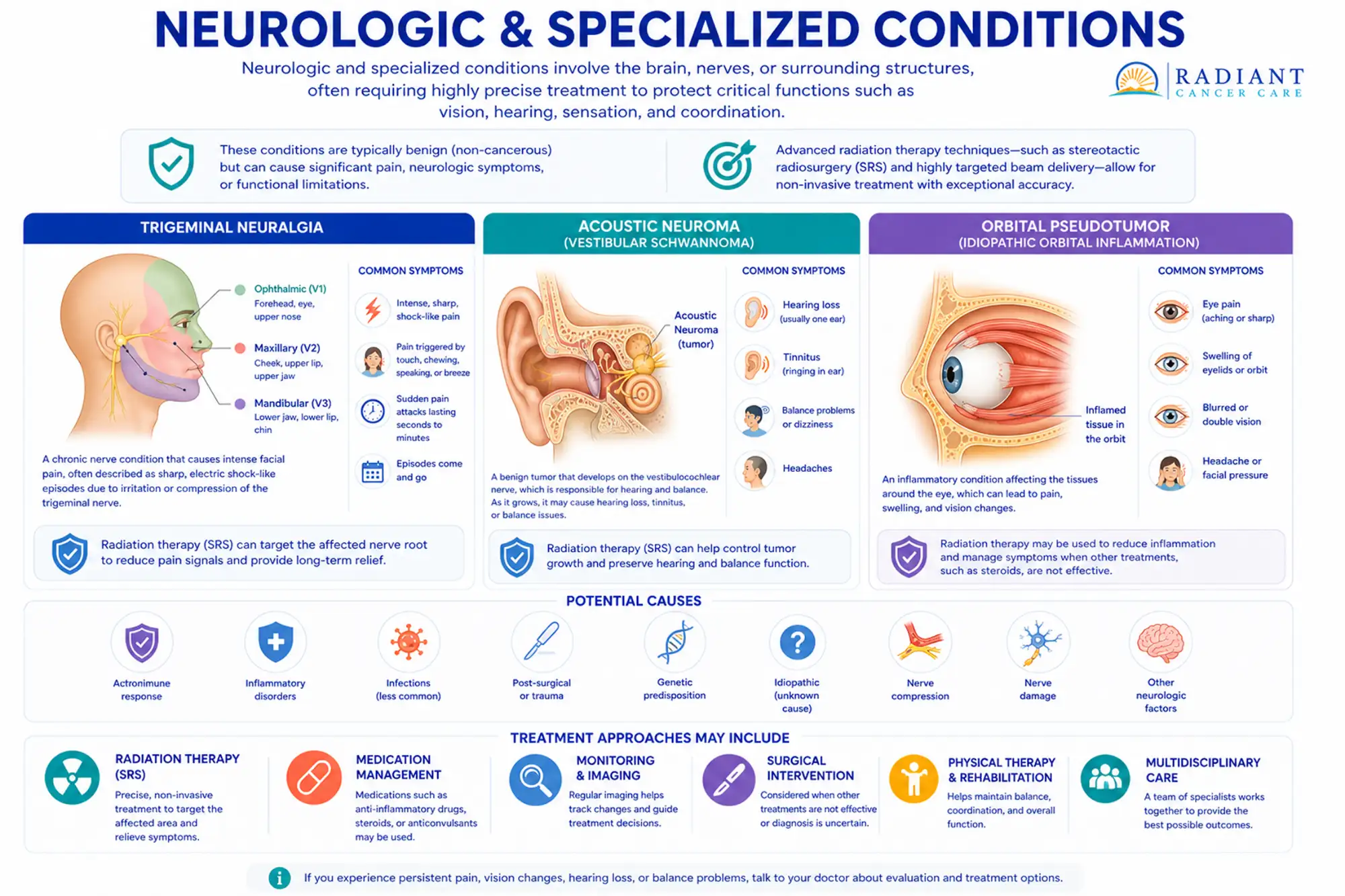
Neurologic & Specialized Conditions
When Is Radiation Used for Benign Conditions?
Radiation therapy is not typically the first line of treatment for benign (non-cancerous) conditions. Instead, it is considered in carefully selected situations where symptoms persist or other treatments have not provided sufficient relief.
At Radiant Cancer Care, radiation therapy is used as a targeted, non-invasive option to help manage symptoms, slow progression, or prevent recurrence—always with a focus on improving quality of life.
Radiation therapy may be recommended when:
- Conservative treatments have not been effective, such as medications, physical therapy, or injections
- Surgery is not ideal, due to risk, recovery time, or patient preference
- There is a high risk of recurrence, especially after surgical removal of certain conditions
- Symptoms significantly impact daily life, including chronic pain, reduced mobility, or functional limitations
Every case is evaluated individually, and our team works closely with patients and referring providers to determine whether radiation therapy is an appropriate and beneficial option.
Benign Conditions Frequently Asked Questions
What are benign conditions?
Benign conditions are non-cancerous growths or disorders that do not spread to other parts of the body. While they are not life-threatening, many can still cause pain, inflammation, or functional limitations that may require treatment.
Can radiation therapy be used for non-cancerous conditions?
Yes, radiation therapy can be used to treat certain benign conditions. In these cases, low-dose radiation is carefully delivered to reduce inflammation, slow abnormal tissue growth, or prevent recurrence—without the higher doses typically used for cancer treatment.
Is radiation therapy safe for benign conditions?
When used appropriately, radiation therapy for benign conditions is considered safe and well-tolerated. Treatments are planned with precision to minimize exposure to surrounding healthy tissue and reduce the risk of side effects.
What benign conditions can be treated with radiation therapy?
Radiation therapy may be used to treat a variety of benign conditions, including:
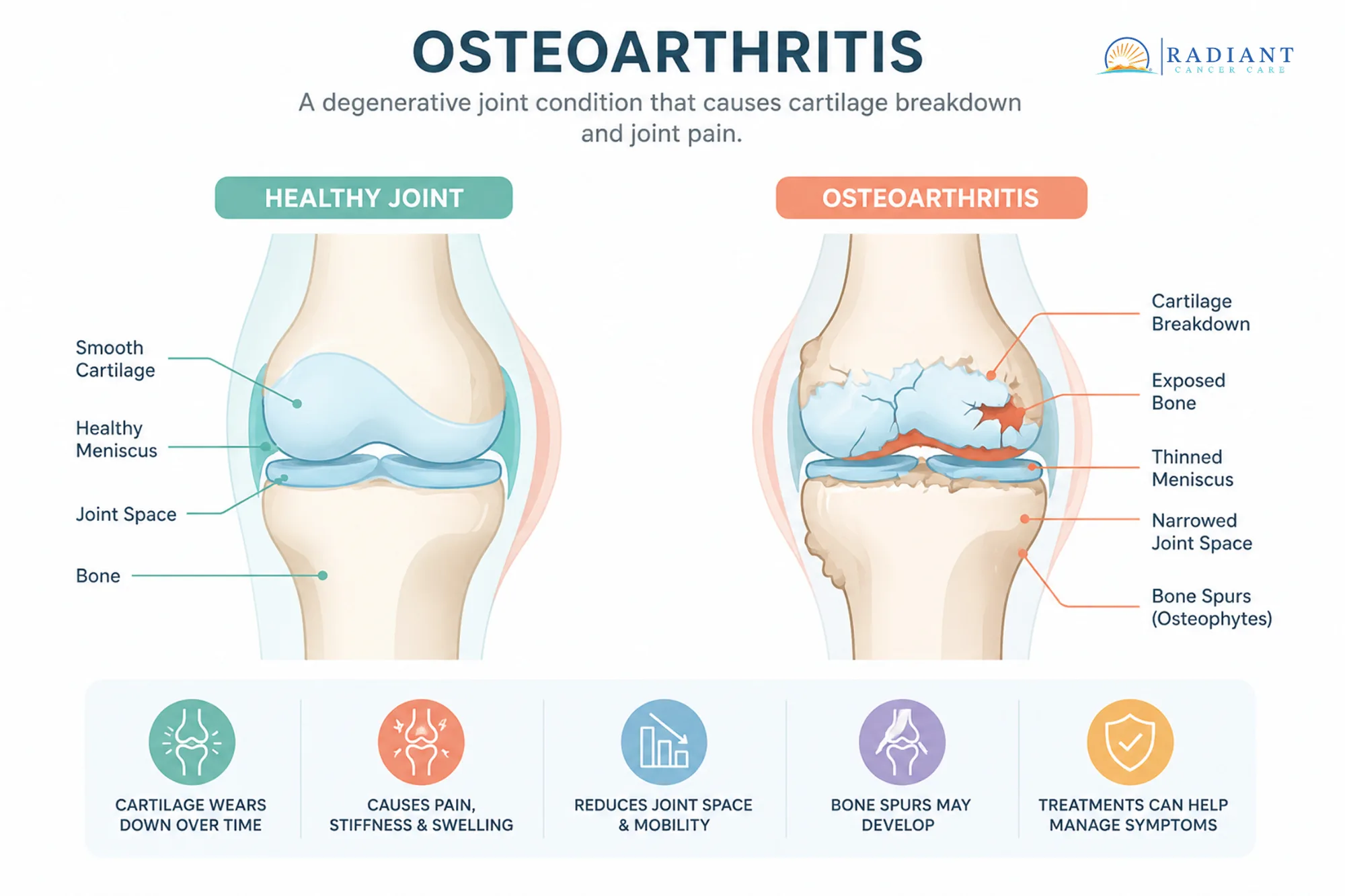
- Osteoarthritis
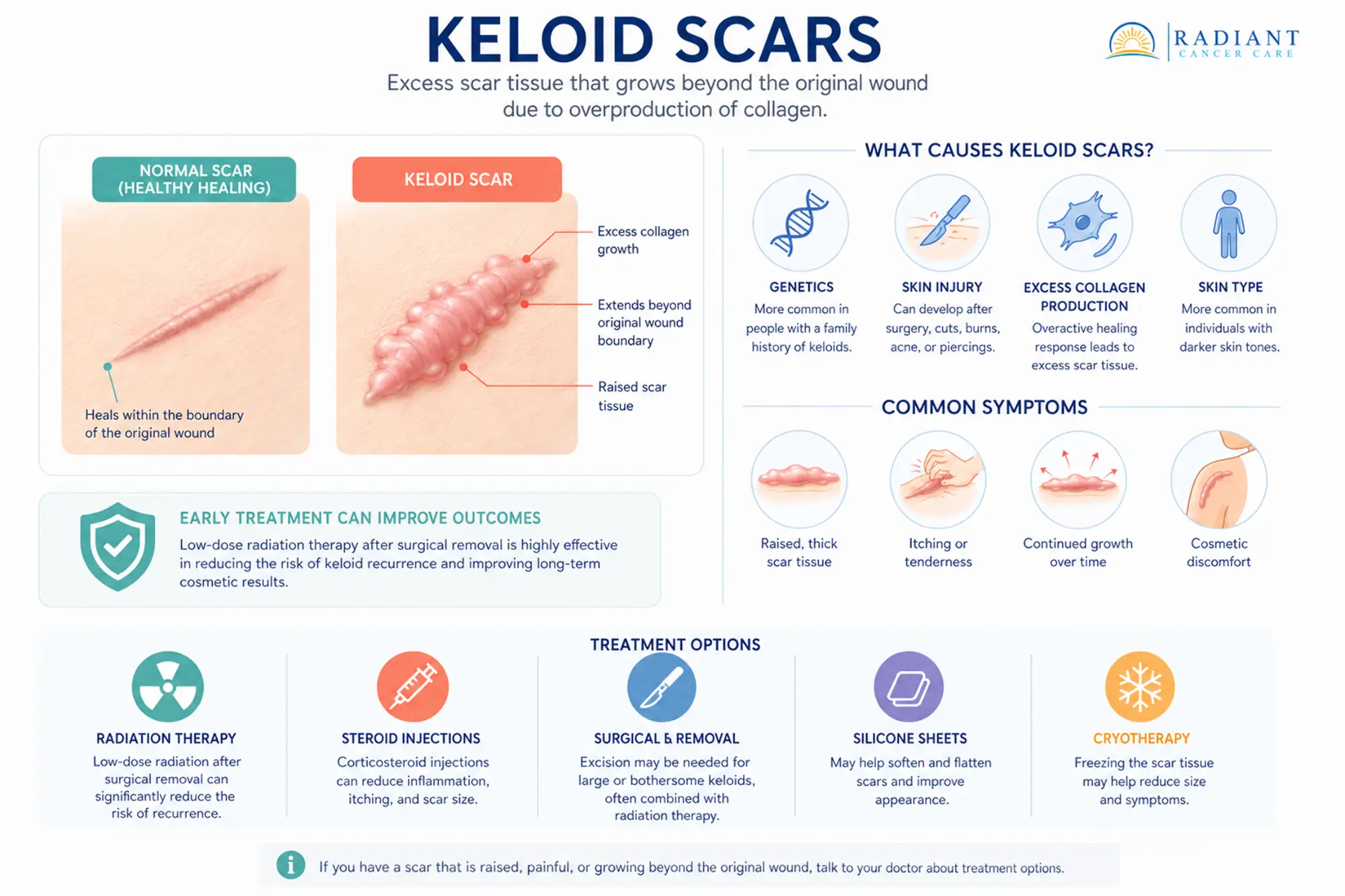
- Keloid scars
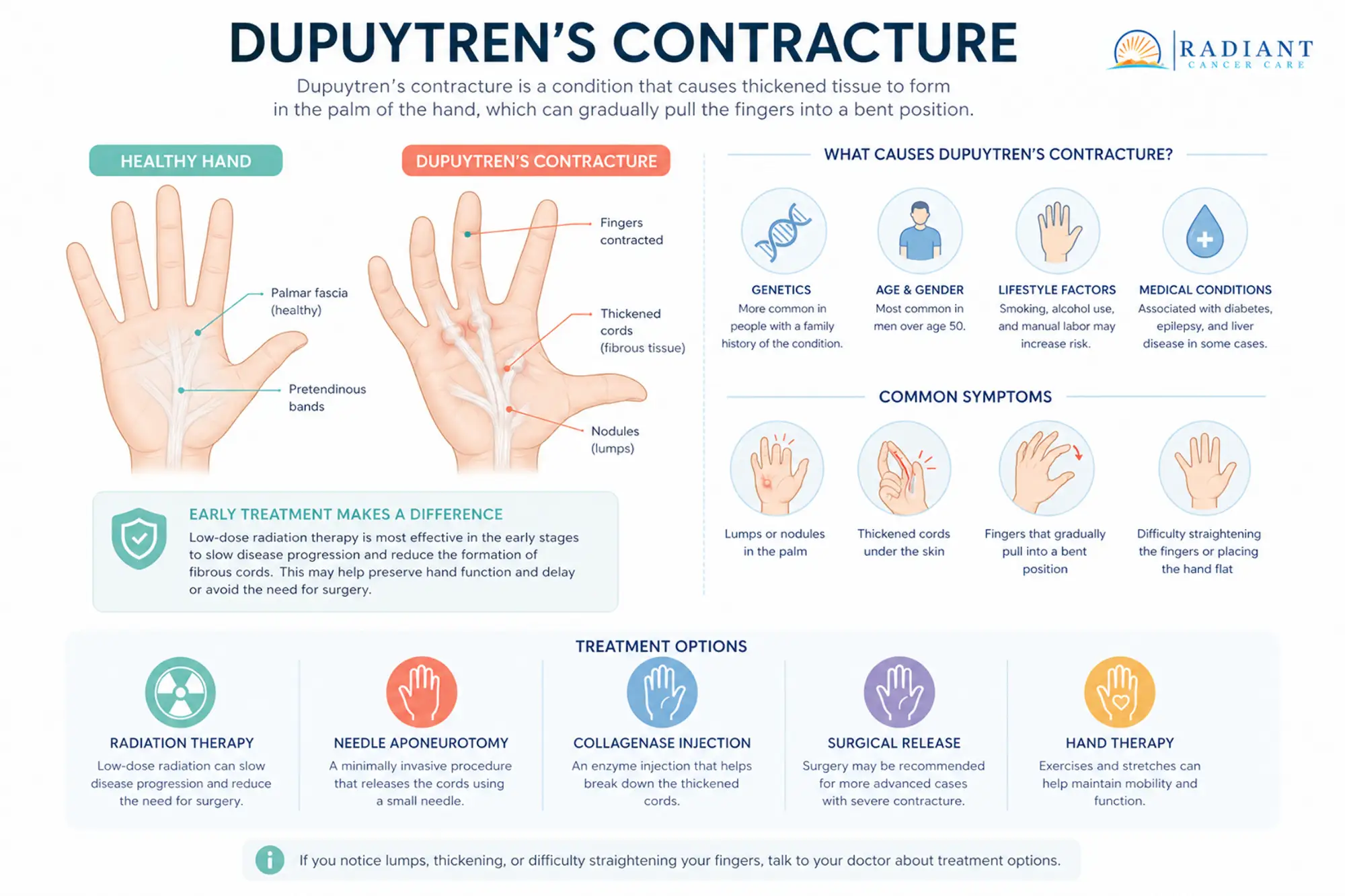
- Dupuytren’s contracture
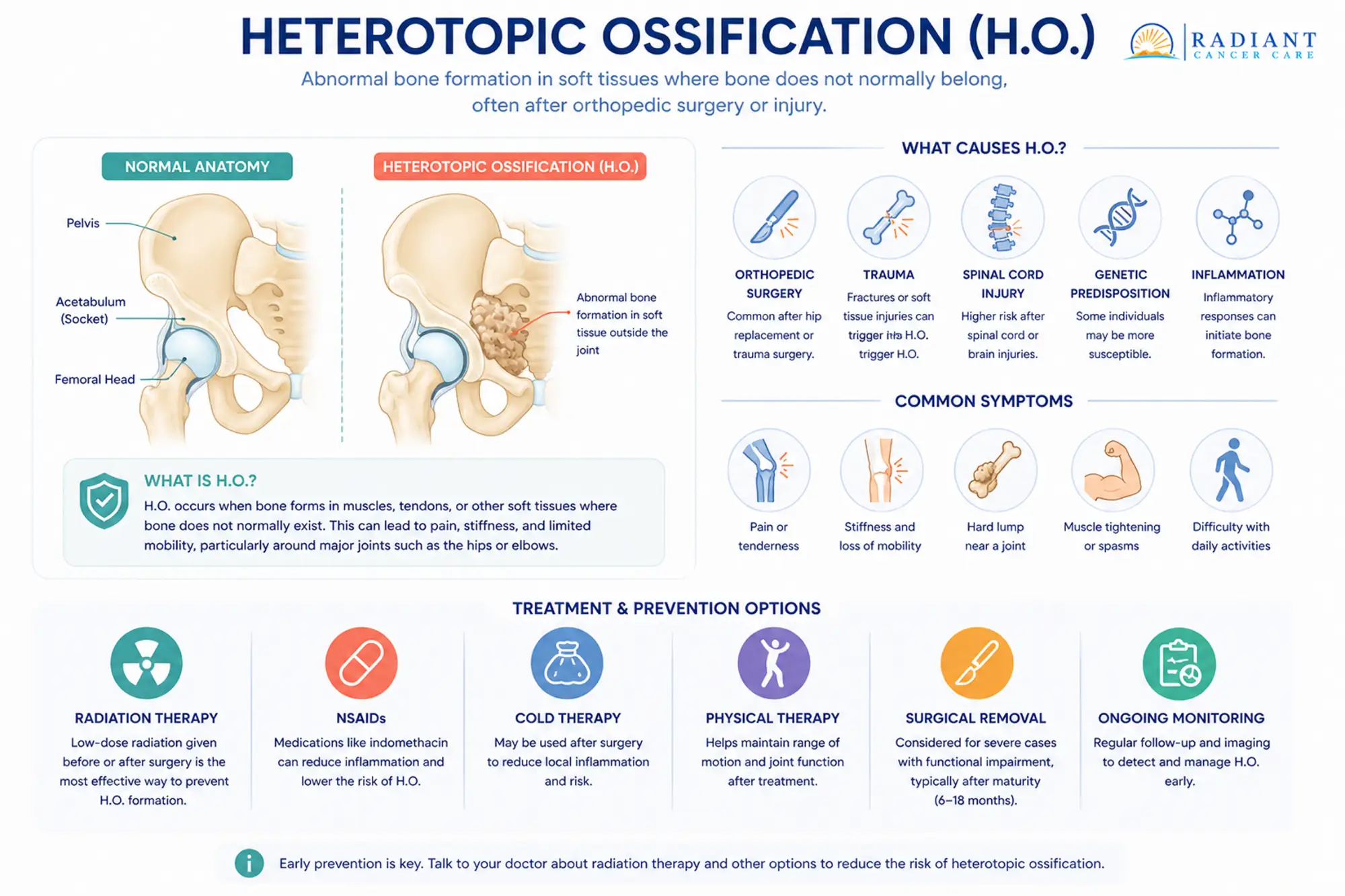
- Heterotopic ossification (H.O.)
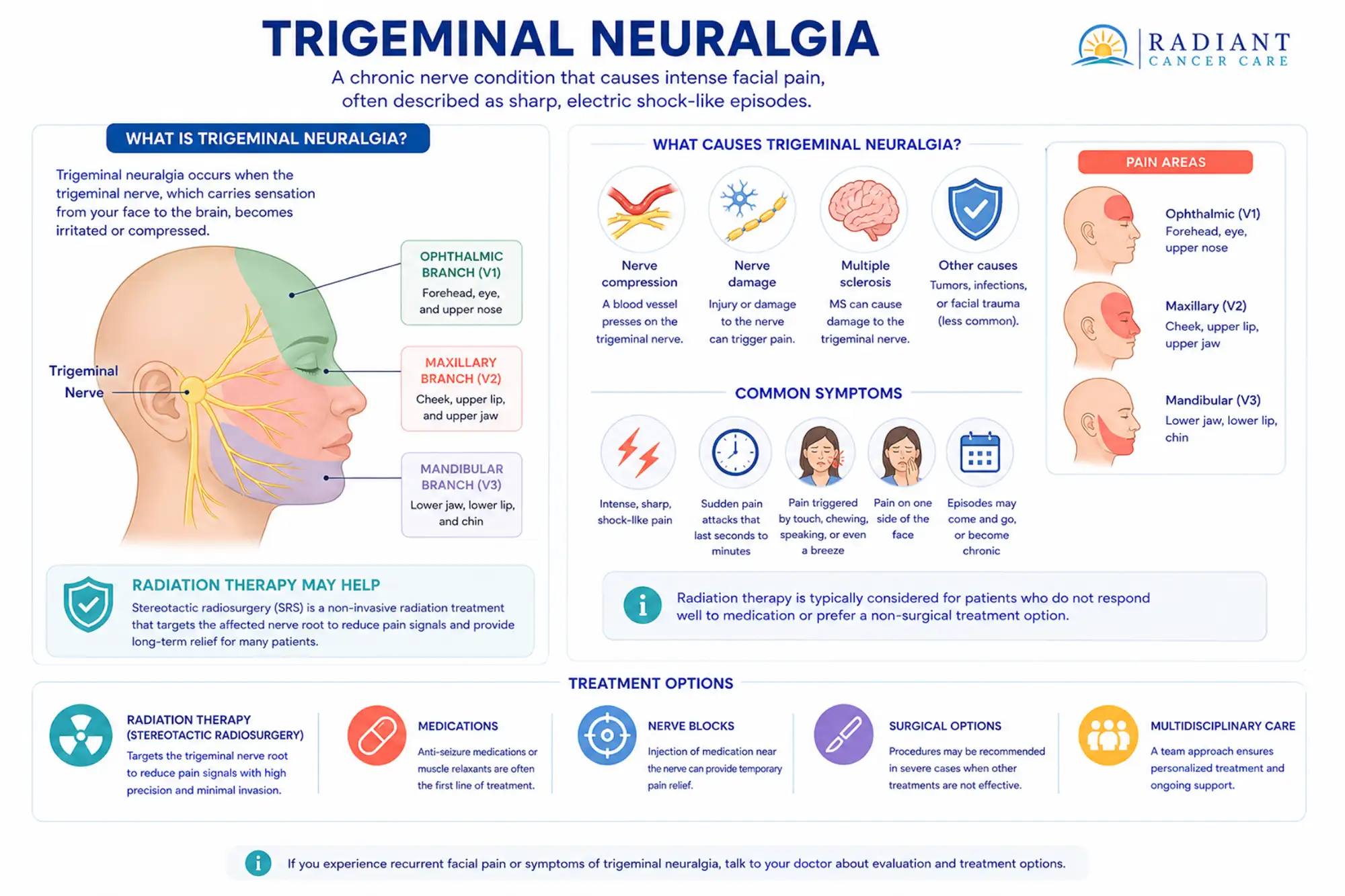
- Trigeminal neuralgia
Treatment recommendations depend on the specific condition and individual patient needs.
When is radiation therapy recommended for benign conditions?
Radiation therapy is typically considered when other treatments have not been effective, when surgery is not ideal, or when there is a high risk of recurrence. It may also be used to help manage chronic pain or improve mobility.
How does radiation therapy help with inflammation?
Low-dose radiation therapy can help reduce inflammation at the cellular level, which may relieve pain and improve function in certain chronic conditions affecting joints, tendons, or soft tissue.
Will I feel anything during treatment?
No, radiation therapy is completely painless. You will not feel the radiation during treatment, although you may hear the machine moving around you.
How long does treatment take?
Treatment sessions are typically quick and efficient, often lasting only a few minutes. The total number of sessions depends on the condition being treated and your personalized care plan.
Are there side effects from radiation therapy for benign conditions?
Side effects are generally minimal, especially since low doses are used. Some patients may experience mild skin irritation or temporary discomfort, but serious side effects are uncommon.
Do I need a referral for treatment?
In many cases, patients are referred by their primary care physician or specialist. However, you can also contact Radiant Cancer Care directly to learn more about whether radiation therapy may be right for you.