
Understanding Pigmented Villonodular Synovitis (PVNS)
Pigmented villonodular synovitis (PVNS) is a rare, benign condition that affects the synovial lining of joints, bursae, or tendon sheaths. It is characterized by abnormal overgrowth of synovial tissue, which can lead to joint damage, pain, swelling, and reduced mobility over time.
Although PVNS is noncancerous, it can be locally aggressive and has a tendency to recur, particularly in larger joints such as the knee, hip, ankle, or shoulder.
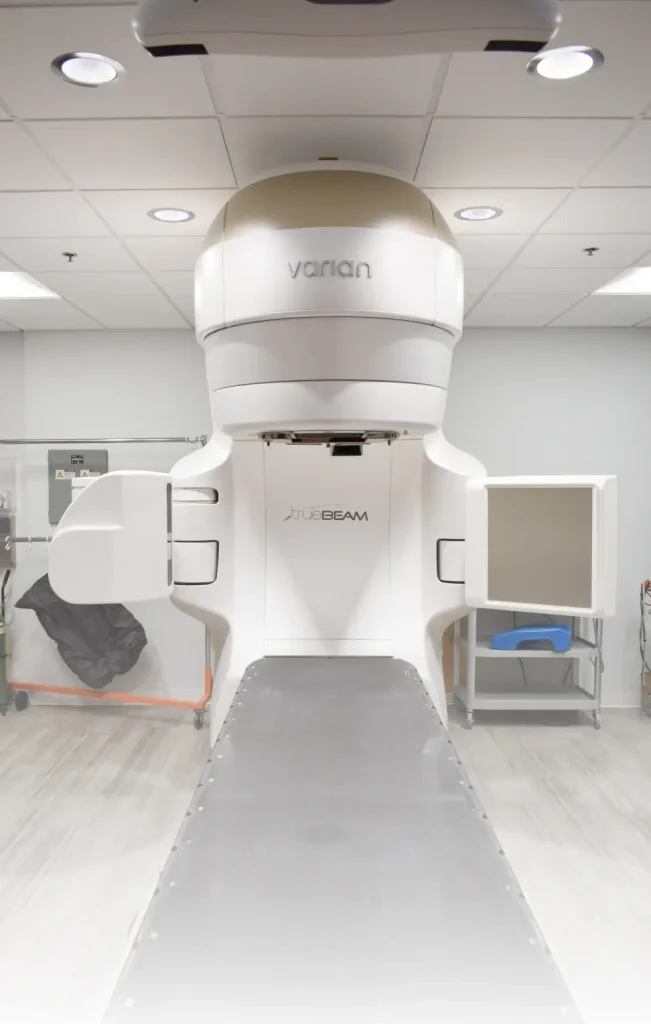
At Radiant Cancer Care, radiation therapy may be considered in select cases of PVNS, most commonly after surgery or when the condition is recurrent or not fully resectable.
Common Symptoms of PVNS
Symptoms of PVNS may develop gradually and often worsen over time. Common signs include:
- Joint swelling or stiffness
- Persistent joint pain
- Reduced range of motion
- Joint locking or catching
- Recurrent joint effusions (fluid buildup)
- Instability or weakness in the affected joint
Because symptoms can resemble other joint conditions, proper diagnosis is essential.
Diagnosis: What to Expect
Diagnosing PVNS typically involves:
- Medical history & physical exam: Evaluation of joint symptoms and duration
- Imaging tests: MRI is the preferred imaging modality to assess synovial overgrowth and joint involvement
- Joint aspiration or biopsy: Confirms the diagnosis and rules out other conditions
- Orthopedic consultation: Assessment of joint health and treatment options
Once diagnosed, treatment planning focuses on symptom control, preservation of joint function, and reducing recurrence risk.