
Understanding Orbital Pseudotumor
Orbital pseudotumor—also known as idiopathic orbital inflammatory disease (IOID)—is a benign, noncancerous inflammatory condition that affects the tissues within the eye socket (orbit). Despite the name, it is not a true tumor, but it can behave aggressively, causing swelling, pain, and vision-related symptoms.
Orbital pseudotumor can involve the muscles, fat, lacrimal gland, or other soft tissues of the orbit. While many cases respond to medical therapy, some patients experience persistent, recurrent, or steroid-resistant disease.
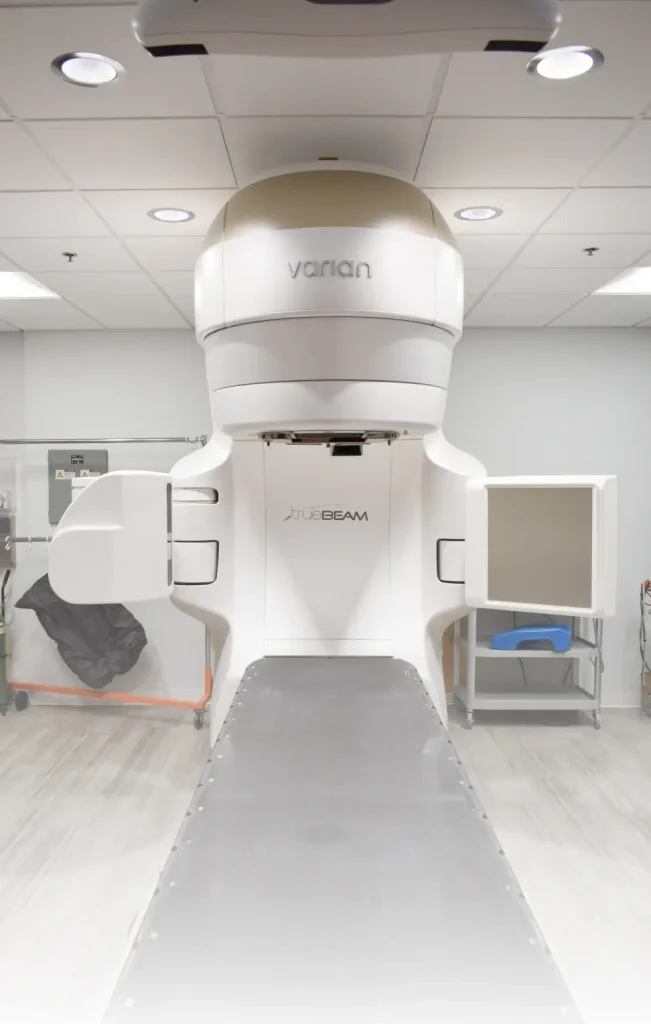
At Radiant Cancer Care, radiation therapy may be considered in select cases of orbital pseudotumor, particularly when symptoms persist despite standard medical treatment or when long-term steroid use is not well tolerated.
Common Symptoms of Orbital Pseudotumor
Symptoms may develop suddenly or progress over time and can vary in severity. Common signs include:
- Eye pain or pressure
- Swelling around the eye or eyelids
- Bulging of the eye (proptosis)
- Redness or inflammation
- Double vision
- Restricted eye movement
- Decreased or blurred vision
Any new or worsening eye symptoms should be evaluated promptly by an eye care professional.
Diagnosis: What to Expect
Diagnosing orbital pseudotumor typically involves:
- Medical history & physical exam: Review of symptoms and onset
- Ophthalmologic evaluation: Assessment of vision and eye movement
- Imaging tests: MRI or CT scans to evaluate orbital inflammation
- Laboratory tests: Used to rule out infection, autoimmune disease, or malignancy
- Biopsy (select cases): Confirms diagnosis when imaging is inconclusive
Once diagnosed, treatment planning focuses on symptom control, vision preservation, and prevention of recurrence.