Understanding Breast Cancer
Breast cancer is one of the most commonly diagnosed cancers and can affect people of all genders. When detected early and treated appropriately, outcomes are often very favorable. At Radiant Cancer Care, our team provides personalized, evidence-based radiation therapy as part of a comprehensive approach to breast cancer treatment.
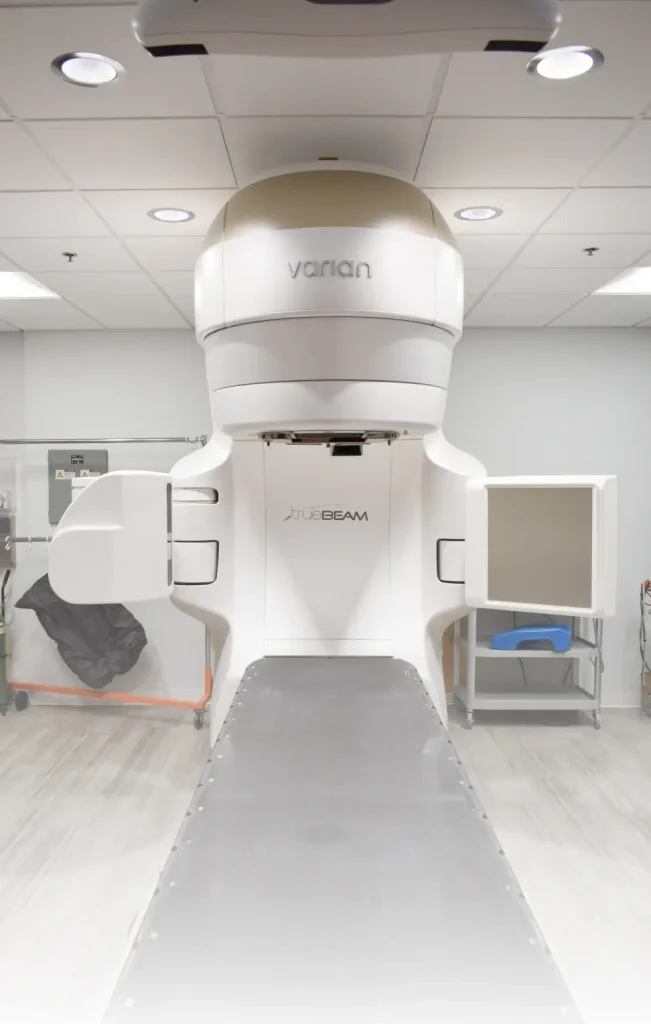
Breast cancer begins when abnormal cells form in the breast tissue and grow uncontrollably. These cells may originate in the milk ducts, lobules, or surrounding tissue and can spread if left untreated. Radiation therapy is often used to target remaining cancer cells after surgery or as part of a broader treatment plan.
Common Symptoms of Breast Cancer
Early-stage breast cancer may not cause noticeable symptoms. As the condition progresses, symptoms may include:
- A new lump or thickening in the breast or underarm
- Changes in breast size, shape, or appearance
- Skin changes such as dimpling, redness, or puckering
- Nipple changes, including inversion or discharge
- Breast or nipple pain that does not go away
- Swelling of part or all of the breast
If you notice any of these symptoms, a primary care provider or specialist can evaluate your concerns and may recommend imaging or additional testing.
Diagnosis: What to Expect
Diagnosing breast cancer typically involves several steps, including:
- Medical history & physical exam: Review of symptoms, family history, and risk factors
- Imaging tests: Mammography, ultrasound, or breast MRI to evaluate breast tissue
- Biopsy: Removal of a small tissue sample to confirm the presence and type of cancer cells
- Pathology & staging: Determines cancer type, grade, and whether it has spread
Once a diagnosis is confirmed, your care team will discuss treatment options based on the cancer’s characteristics, stage, and your overall health.