Understanding Keloid Scars
Keloid scars are benign overgrowths of scar tissue that develop when the body produces excess collagen during the wound-healing process. Unlike typical scars, keloids can grow beyond the original injury site and may continue to enlarge over time.
Although keloids are not cancerous, they can cause pain, itching, tightness, and cosmetic concerns, particularly when they form on visible or high-tension areas such as the chest, shoulders, ears, neck, or jawline.
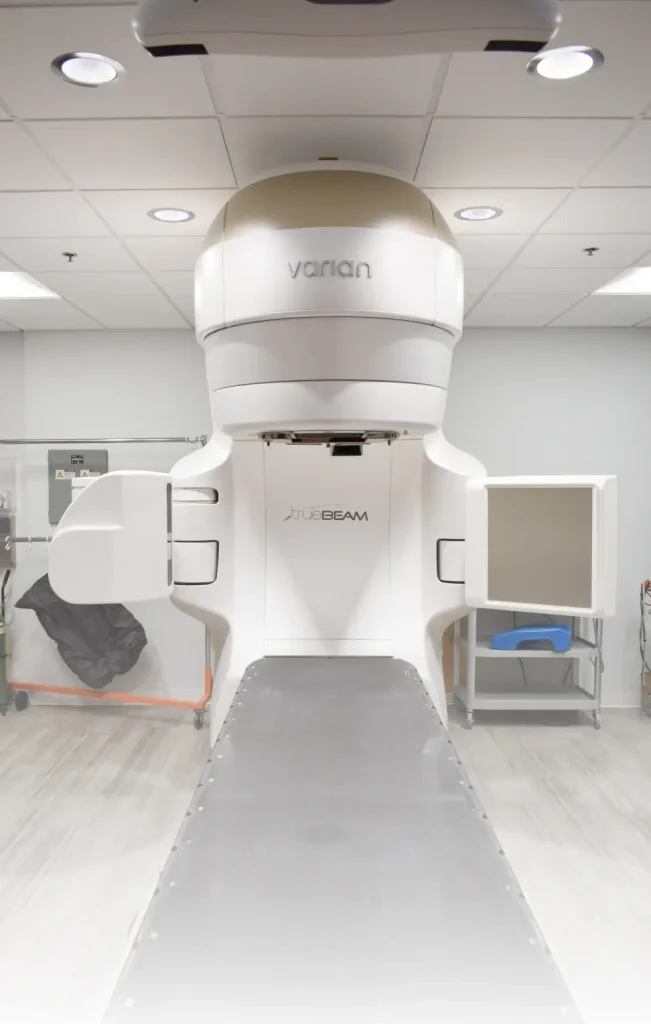
At Radiant Cancer Care, radiation therapy may be considered as an adjunct treatment for keloid scars, most commonly after surgical removal, to help reduce the risk of recurrence.
Common Symptoms of Keloid Scars
Keloid scars may vary in size and appearance and can develop months after an injury. Common symptoms include:
- Raised, firm, or rubbery scar tissue
- Thickened scar that extends beyond the original wound
- Itching, tenderness, or pain
- Red, pink, or darkened discoloration
- Tightness or restriction of movement near joints
- Cosmetic or emotional distress
Keloids may form after surgery, piercings, acne, burns, or minor skin injuries.
Diagnosis: What to Expect
Diagnosing a keloid scar typically involves:
- Medical history & physical exam: Review of scar development and prior treatments
- Clinical evaluation: Differentiation from hypertrophic scars or other skin conditions
- Treatment history review: Assessment of prior surgeries, injections, or therapies
- Specialist collaboration: Coordination with dermatologists or surgeons when appropriate
Once diagnosed, treatment planning focuses on symptom relief and preventing recurrence.