Understanding Ledderhose Disease
Ledderhose disease—also known as plantar fibromatosis—is a benign condition characterized by the development of fibrous nodules in the plantar fascia, the thick band of tissue that runs along the bottom of the foot. While not cancerous, these nodules can cause pain, discomfort, and difficulty walking or standing for prolonged periods.
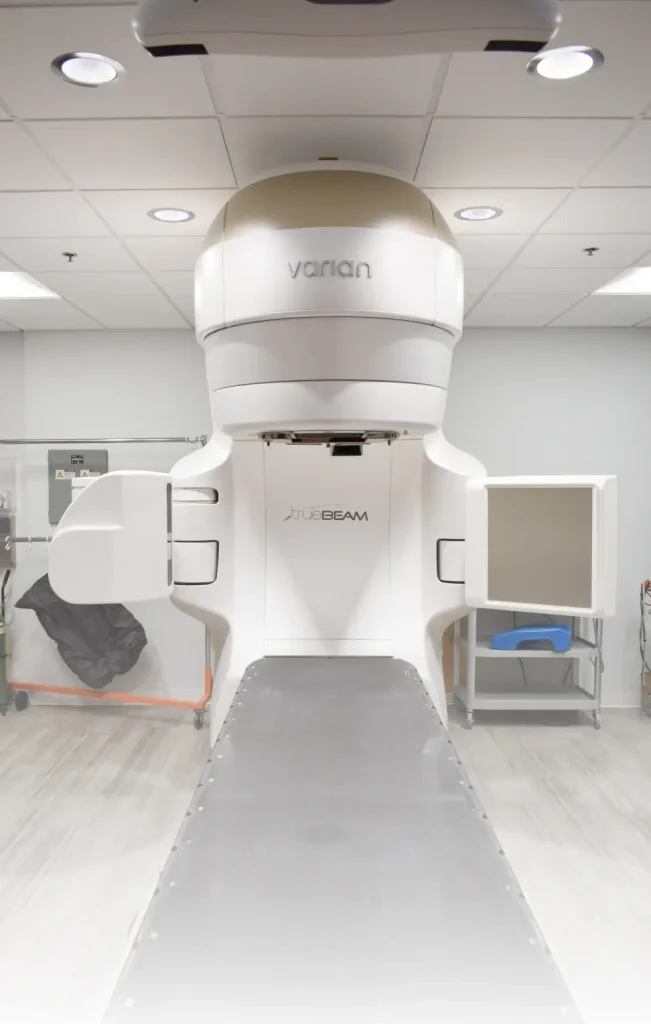
Ledderhose disease is closely related to Dupuytren’s contracture of the hand and may occur alongside it. At Radiant Cancer Care, radiation therapy may be considered in early-stage Ledderhose disease to help slow progression and reduce the development of painful nodules.
Common Symptoms of Ledderhose Disease
Symptoms often develop gradually and may include:
- Firm nodules or lumps in the arch of the foot
- Pain or tenderness when standing or walking
- Discomfort that worsens with pressure or tight footwear
- Thickening of tissue along the sole of the foot
- Altered gait due to pain or stiffness
Early symptoms may be mild, which is why early evaluation is important.
Diagnosis: What to Expect
Diagnosing Ledderhose disease typically involves:
- Medical history & physical exam: Evaluation of nodules, pain, and foot mechanics
- Imaging tests: Ultrasound or MRI in select cases to assess the extent of fibrous tissue
- Clinical staging: Determines whether the condition is early or advanced
- Referral consideration: Podiatry or orthopedic consultation when appropriate
Radiation therapy is generally considered only in early, active stages before extensive fibrosis or contracture develops.