Understanding Lung, Thoracic & Pulmonary Tumors
Lung, thoracic, and pulmonary tumors affect the organs and structures within the chest, including the lungs, airways, and surrounding tissues. These conditions can be serious, but advances in cancer care—particularly radiation therapy—have made treatment more precise and effective than ever before.
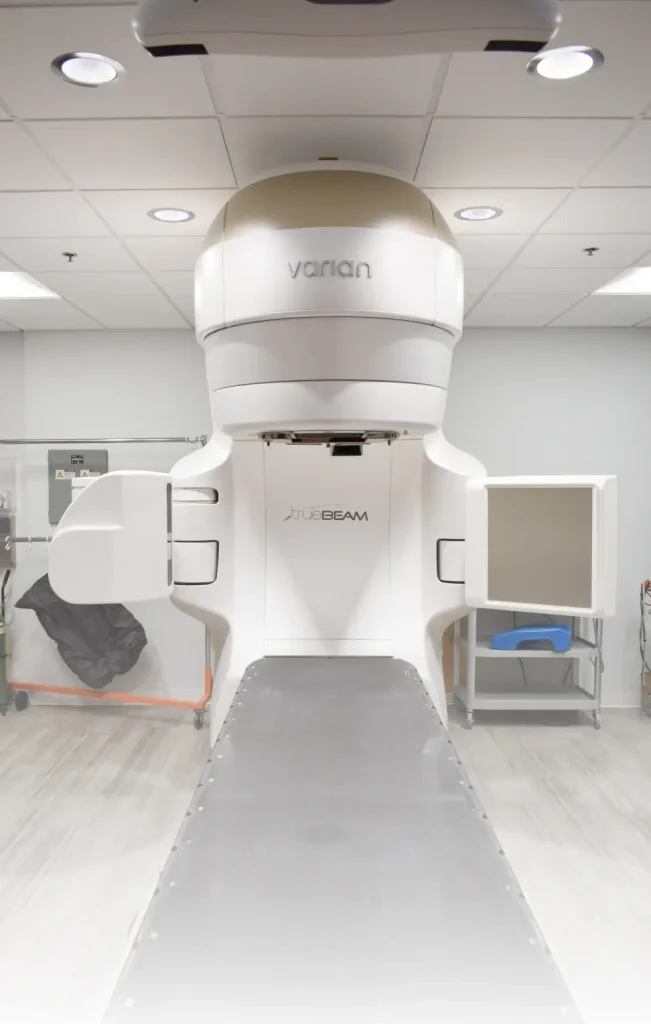
At Radiant Cancer Care, we provide personalized radiation oncology care for patients diagnosed with lung and thoracic cancers, focusing on precision treatment, symptom relief, and quality of life.
Lung cancer originates in the lung tissue, while thoracic and pulmonary tumors may involve the chest wall, mediastinum, or nearby structures. Radiation therapy is often a key component of treatment, either alone or in combination with surgery and medical oncology.
Common Symptoms of Lung & Thoracic Cancers
Symptoms may vary depending on the tumor’s location and stage. Early-stage disease may not cause noticeable symptoms. As the condition progresses, common signs may include:
- Persistent cough or worsening cough
- Shortness of breath or difficulty breathing
- Chest pain or discomfort
- Coughing up blood
- Hoarseness
- Fatigue or weakness
- Unexplained weight loss
- Recurrent respiratory infections
If you experience any of these symptoms, a primary care provider or specialist may recommend further evaluation.
Diagnosis: What to Expect
Diagnosing lung, thoracic, and pulmonary tumors typically involves a combination of clinical evaluation and diagnostic testing, including:
- Medical history & physical exam: Review of symptoms, smoking history, and risk factors
- Imaging tests: Chest X-rays, CT scans, PET scans, or MRI to visualize the chest and lungs
- Biopsy: Tissue sampling to confirm the presence and type of cancer cells
- Staging tests: Determines whether cancer has spread and guides treatment planning
Once a diagnosis is confirmed, your care team will discuss appropriate treatment options based on tumor type, stage, and overall health.