
Pigmented villonodular synovitis (PVNS)

Facebook
Twitter
LinkedIn

Understanding Pigmented Villonodular Synovitis (PVNS)

Pigmented villonodular synovitis (PVNS) is a rare, benign condition that affects the synovial lining of joints, bursae, or tendon sheaths. It is characterized by abnormal overgrowth of synovial tissue, which can lead to joint damage, pain, swelling, and reduced mobility over time.

Although PVNS is noncancerous, it can be locally aggressive and has a tendency to recur, particularly in larger joints such as the knee, hip, ankle, or shoulder.

At Radiant Cancer Care, radiation therapy may be considered in select cases of PVNS, most commonly after surgery or when the condition is recurrent or not fully resectable.


Common Symptoms of PVNS

Symptoms of PVNS may develop gradually and often worsen over time. Common signs include:

  • Joint swelling or stiffness
  • Persistent joint pain
  • Reduced range of motion
  • Joint locking or catching
  • Recurrent joint effusions (fluid buildup)
  • Instability or weakness in the affected joint

Because symptoms can resemble other joint conditions, proper diagnosis is essential.


Diagnosis: What to Expect

Diagnosing PVNS typically involves:

  • Medical history & physical exam: Evaluation of joint symptoms and duration
  • Imaging tests: MRI is the preferred imaging modality to assess synovial overgrowth and joint involvement
  • Joint aspiration or biopsy: Confirms the diagnosis and rules out other conditions
  • Orthopedic consultation: Assessment of joint health and treatment options

Once diagnosed, treatment planning focuses on symptom control, preservation of joint function, and reducing recurrence risk.
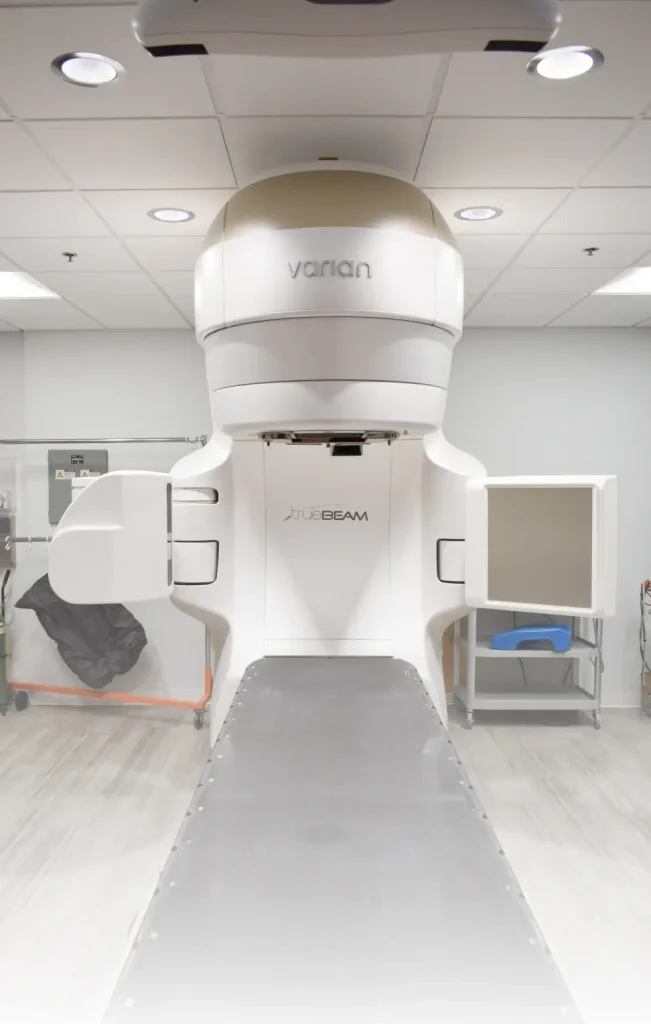

Table of Contents

Treatment Options for PVNS

Treatment depends on whether the condition is localized or diffuse and whether it has recurred. In many cases, surgery is the primary treatment. Radiation therapy may be used as an adjunct in select situations.

Radiation Therapy (Adjunctive & Recurrent Cases)

Radiation therapy may be considered:
  • After surgical removal to reduce the risk of recurrence
  • When complete surgical excision is not possible
  • For recurrent or diffuse PVNS
  • To preserve joint function and reduce progressive damage
At Radiant Cancer Care, radiation therapy for PVNS is:
  • Delivered using low-dose, carefully planned protocols
  • Targeted precisely to affected synovial tissue
  • Designed to minimize exposure to surrounding healthy structures
  • Coordinated closely with orthopedic surgeons and referring specialists
Radiation therapy is not routinely used for all PVNS cases and is recommended only after careful multidisciplinary evaluation.

Radiant Cancer Care Offers:

Based out of Rancho Mirage, Radiant Cancer Care serves residents of the following areas:

Why Choose Radiant Cancer Care To Treat Your Condition?

Choosing a cancer care provider is an important decision. At Radiant Cancer Care, we are committed to delivering:

Patient-Centered Care

We take the time to listen, educate, and support you and your family throughout your treatment journey.

Advanced Radiation Technology

We use modern treatment planning and delivery systems to maximize effectiveness and reduce side effects.

Multidisciplinary Collaboration

We work closely with primary care physicians, urologists, medical oncologists, and support specialists to ensure continuity of care.

Support Throughout Your Journey

From initial consultation to treatment completion and follow-up care, our team is here to answer questions and help you feel confident in your care.

Radiant Cancer Care Radiation Device (1)

Caring Experts Who Are Here for You

Ted Ling, MD and Carolyn Barnes, MD have dedicated their careers to helping patients through every stage of cancer care.

Meet Our Radiation Oncologists

Carolyn Barnes MD (1)

Carolyn Barnes, MD

Ted Ling MD (1)

Ted Ling, MD

Send Us A Message

Have general questions or need help navigating your care options? Fill out the form below and we’ll respond as soon as possible.

Please do not submit personal medical information through this form.

Stay Connected

Follow us on social media for updates, wellness tips, and patient resources