Understanding Spinal & Bone Metastases
Spinal and bone metastases occur when cancer spreads from its original site to the bones or spine. These metastatic tumors can cause pain, mobility issues, and neurological symptoms, and often require timely, specialized treatment to manage symptoms and protect quality of life.
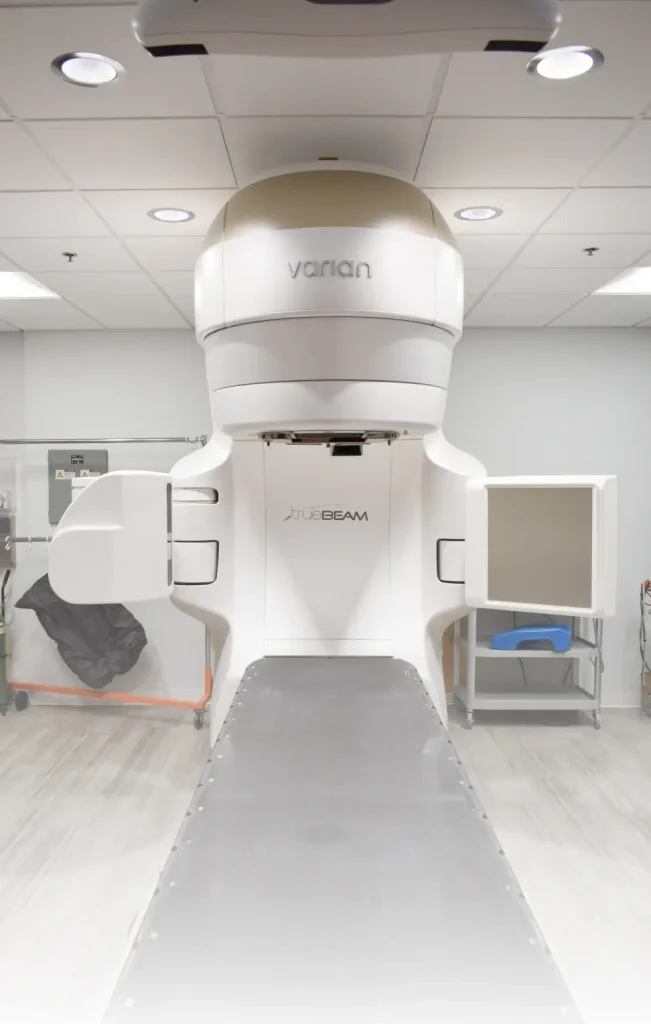
At Radiant Cancer Care, we provide personalized radiation therapy for patients with spinal and bone metastases, focusing on pain relief, tumor control, and preservation of function.
Spinal metastases commonly affect the vertebrae and may place pressure on nerves or the spinal cord. Bone metastases can occur in various skeletal locations and are often managed as part of a comprehensive cancer care plan.
Common Symptoms of Spinal & Bone Metastases
Symptoms vary depending on the location and extent of metastases. Common signs may include:
- Persistent or worsening bone pain
- Back or neck pain that may increase at night
- Limited mobility or difficulty walking
- Numbness, tingling, or weakness in the limbs
- Fractures occurring with minimal trauma
- Loss of bladder or bowel control (in severe cases)
Any new or worsening pain or neurological symptoms should be evaluated promptly.
Diagnosis: What to Expect
Diagnosing spinal and bone metastases typically involves:
- Medical history & physical exam: Evaluation of symptoms and cancer history
- Imaging tests: MRI, CT scans, bone scans, or PET scans
- Neurological assessment: Especially if spinal cord involvement is suspected
- Biopsy (when needed): Confirms the nature of the lesion
Once diagnosed, treatment decisions are based on symptom severity, location of metastases, and overall health.